Utensils
Chef’s knife: set up a steady board and controlled cut
Use a chef’s knife with a steady board and a controlled grip, then learn about careful cleaning and storage, without a commercial product comparison.
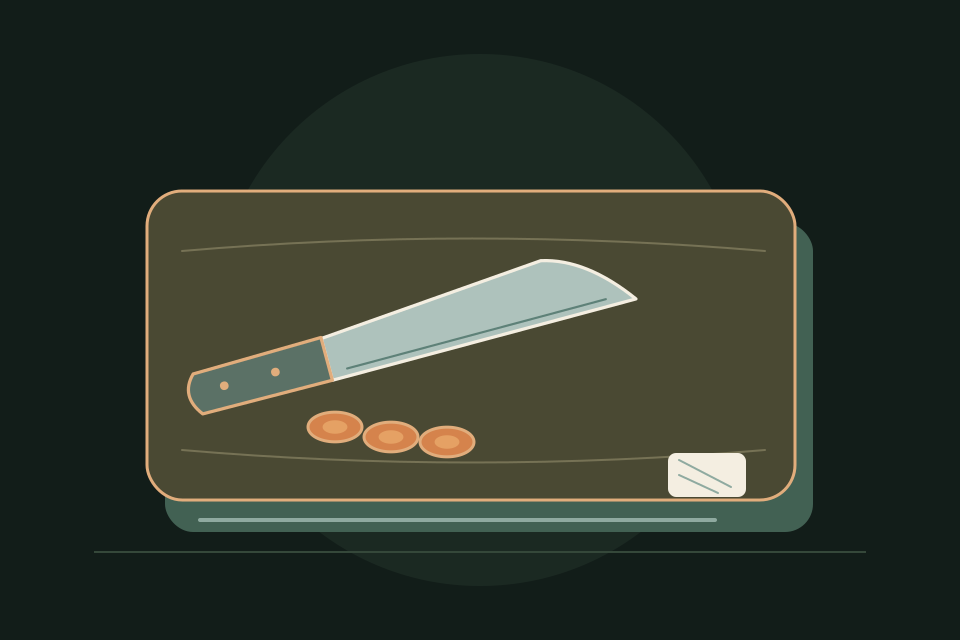
For slicing or cutting up vegetables, a chef’s knife should above all be easy to control. Choose a comfortable grip, a steady board and a blade that does not demand excessive effort. Blade size is not a competition; control matters more.
Set up the board and the food
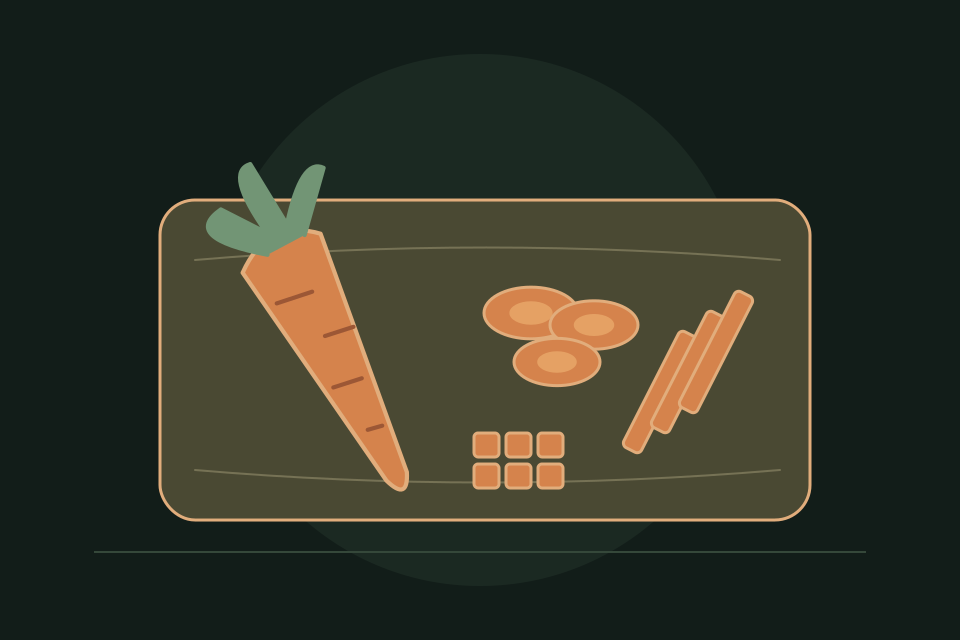
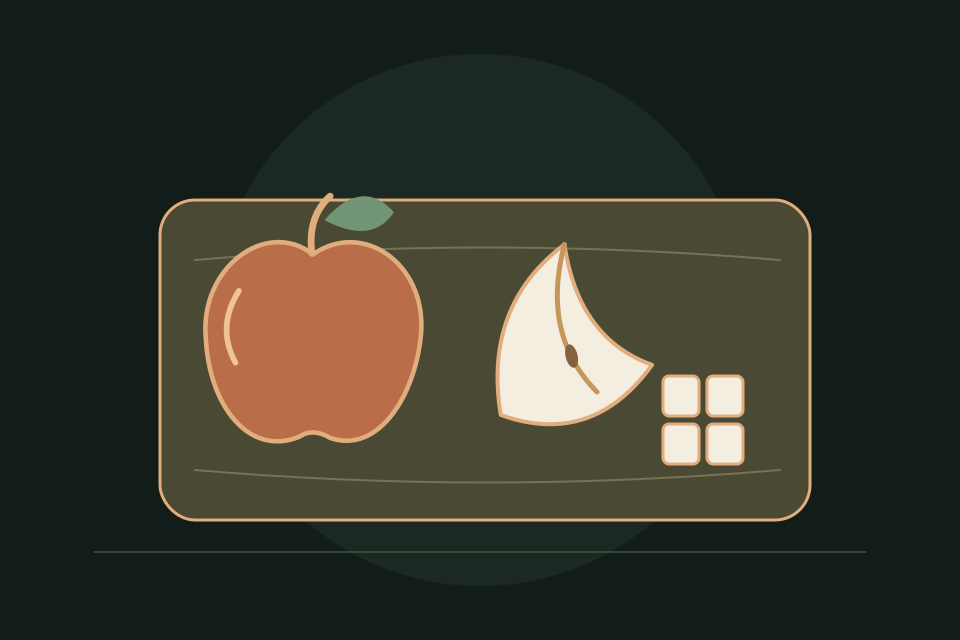
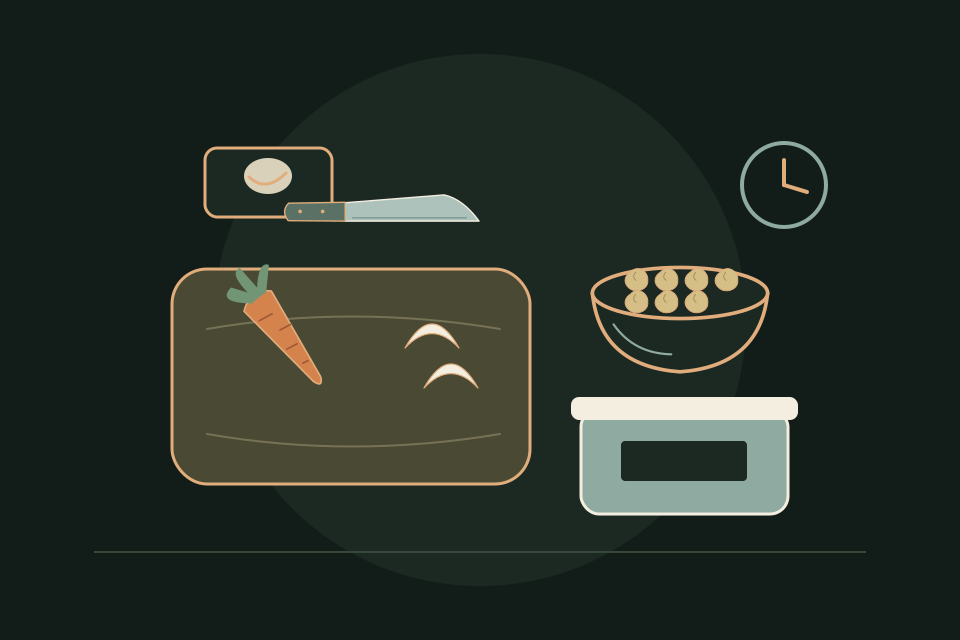
Clear the worktop and check that the board does not slide. Rest the food on a flat side to limit movement. If making that base is difficult, choose a smaller piece or stop and find a controlled position again.
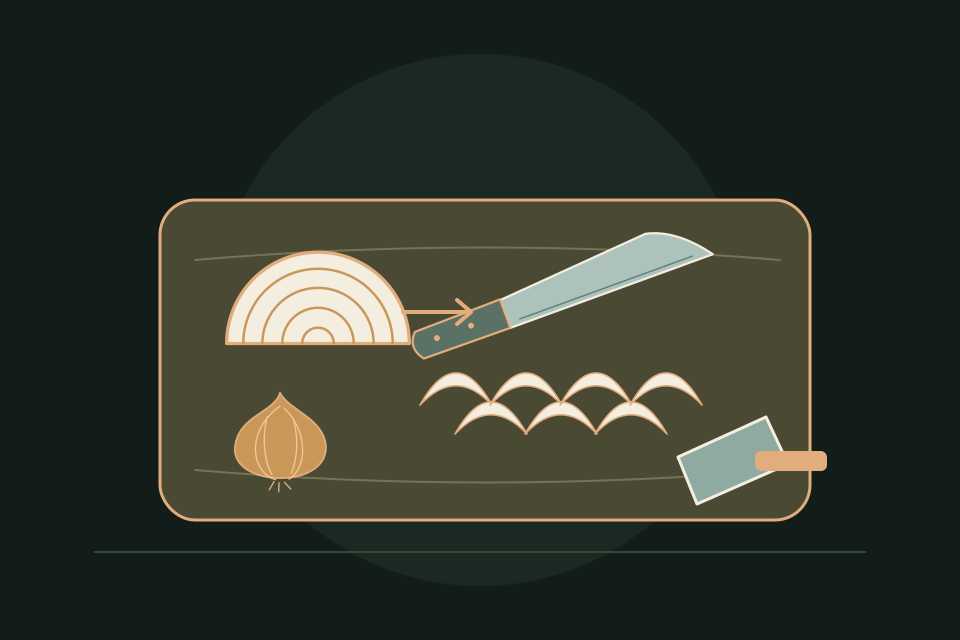
Keep the fingers of the hand holding the food away from the cutting edge. Cut slowly and attentively. Consistency comes from that stability; trying to match a demonstration’s speed does not help establish the movement.
Keep the blade for its intended use
Use the knife for the foods it is designed to cut, rather than as a tin opener or lever. Do not cut inside a saucepan or dish. A spatula or scraper moves the pieces without dragging the cutting edge over the board.
Victorinox recommends wood or plastic boards rather than stone, which dulls the edge.
Wash carefully and store separately
After use, wash the blade carefully and dry with a clean cloth, keeping the cutting edge visible while handling. Store the knife somewhere that protects the blade, rather than loose among other utensils.
Consult the instructions for sharpening and dishwasher use: handles and materials may need different care. This page selects no particular model and does not replace guided learning of cutting or maintenance techniques.
Sources for this page
- Victorinox : Entretien des couteaux , Accessed October 21, 2026