Guides
Plan your preparation: cook in a useful order
Plan your cooking by reading the recipe, weighing and cutting before heating, then preparing a clean workspace and containers for managing leftovers.
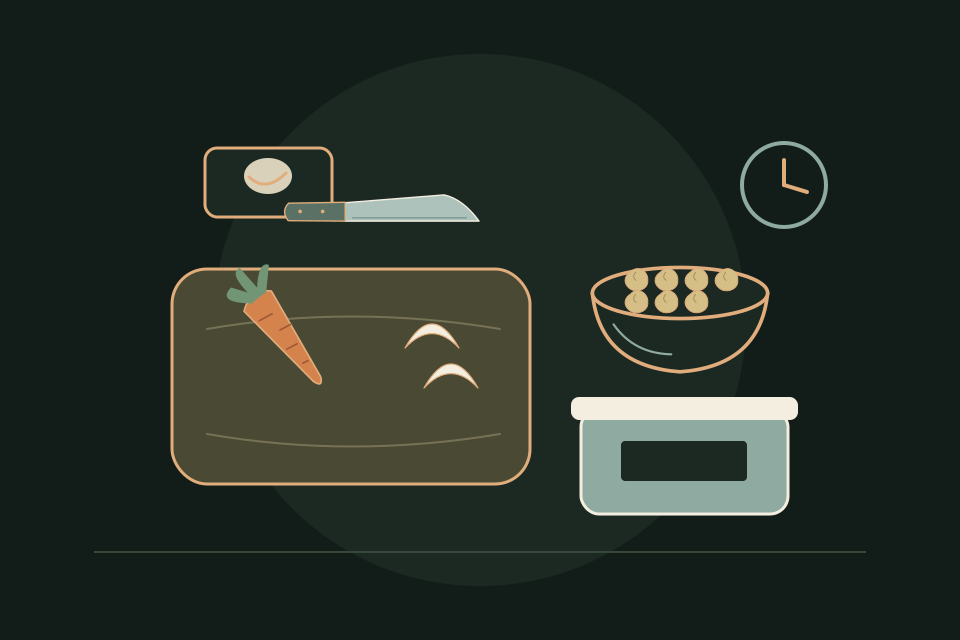
Reading the whole recipe avoids discovering a missing colander over pasta that is ready to drain. Spot the cutting, weighing, tins to open and preheating, then prepare what you need. The aim is simple: watch the food cooking without a simultaneous utensil hunt.
Spot the jobs that can run together
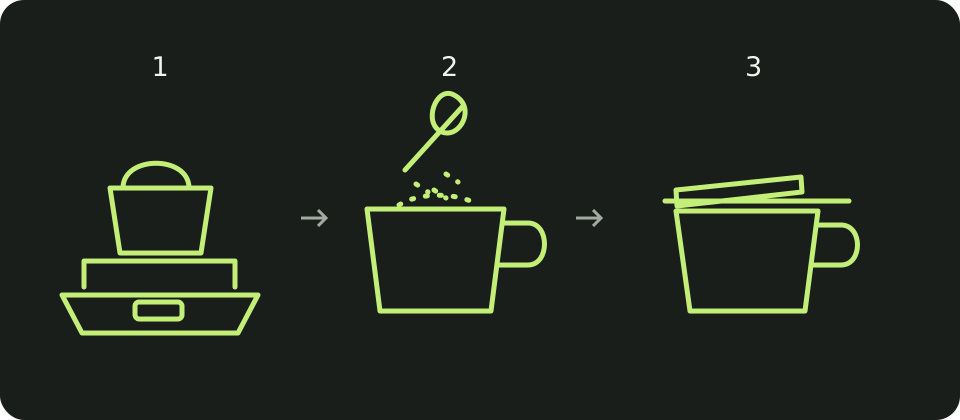
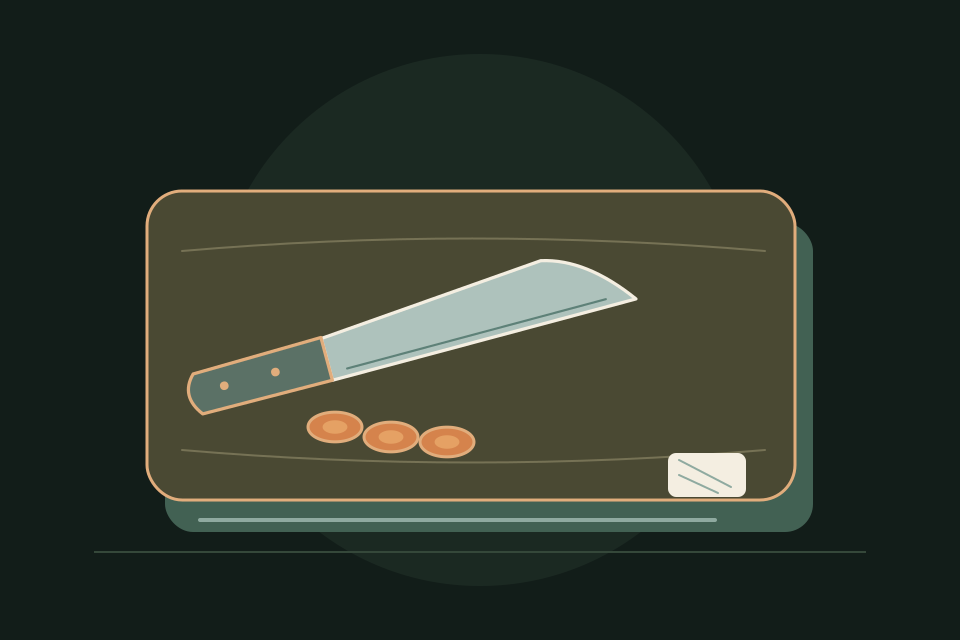
Gather the equipment, check its capacity, weigh the ingredients and prepare the cuts. Keep the first ingredients to be used near the hob. A bowl can serve several stages in turn if it is cleaned appropriately: there is no need to bring out the entire collection.
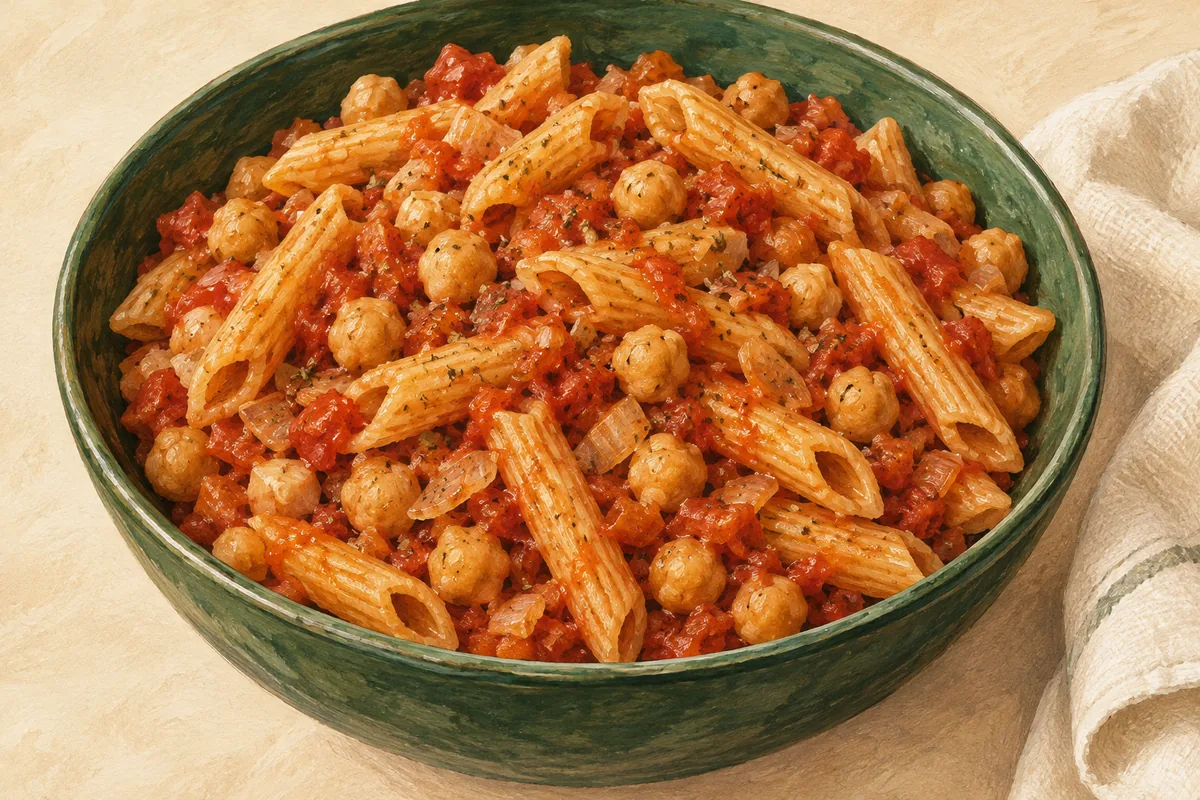
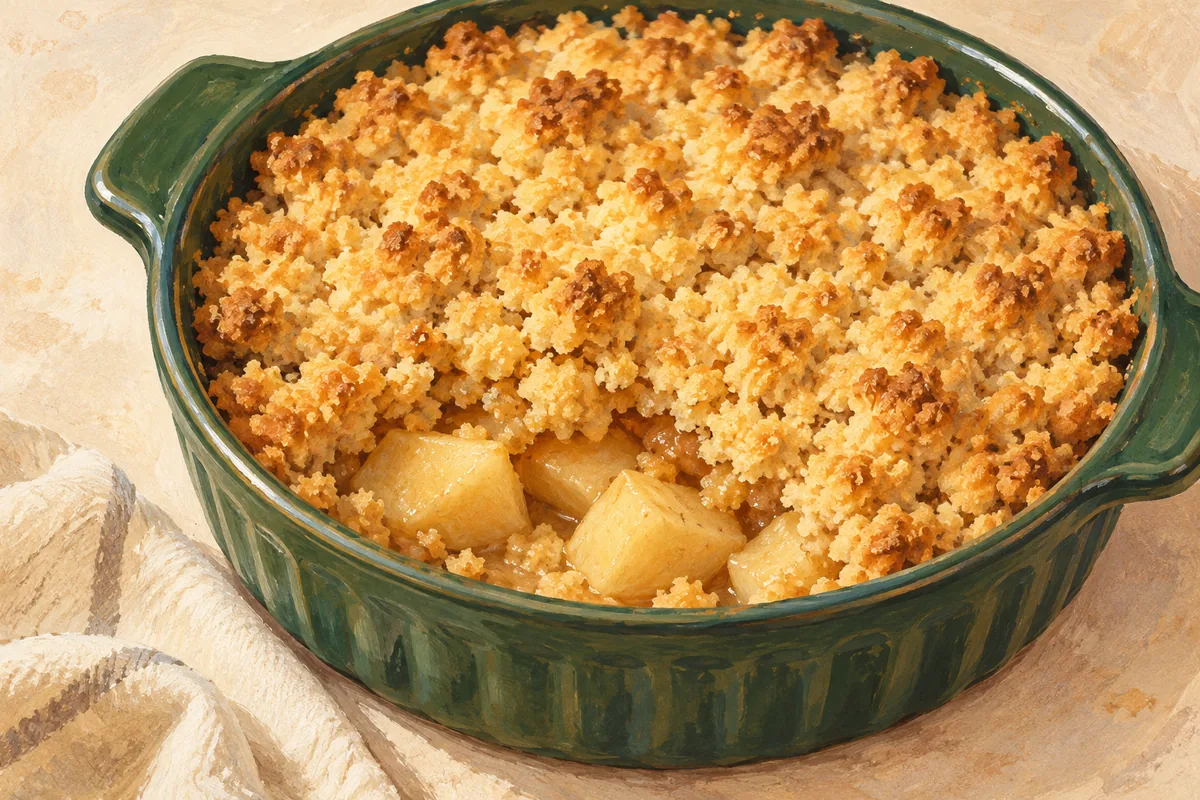
Notice the waiting times too: an oven to preheat, water to boil and dessert to rest. For tomato and chickpea pasta, start the sauce before draining. For apple crumble, heat the oven while cutting and include the rest in your serving schedule.
Does a dog share your home? The guide to cooking with a dog at home helps you plan clear walkways. To organise utensils, see how to measure for 3D-printed kitchen storage before printing.
Clean between tasks
Wash hands with soap and clean utensils between tasks. Use separate boards for raw meat and fish on one hand, and cooked food and clean vegetables on the other. Wash fruit and vegetables before preparation.
For an allergy, check every product’s ingredients and possible contact with equipment or other ingredients. Replacing an ingredient alone does not guarantee suitability. The site’s pages do not replace individual medical advice.
Prepare containers for after the meal
For food that will not be eaten immediately, prepare clean, suitably sized containers and refrigerate no later than two hours after preparation. The coldest part of the fridge must remain between 0 and 4 °C. Follow packaging instructions too.
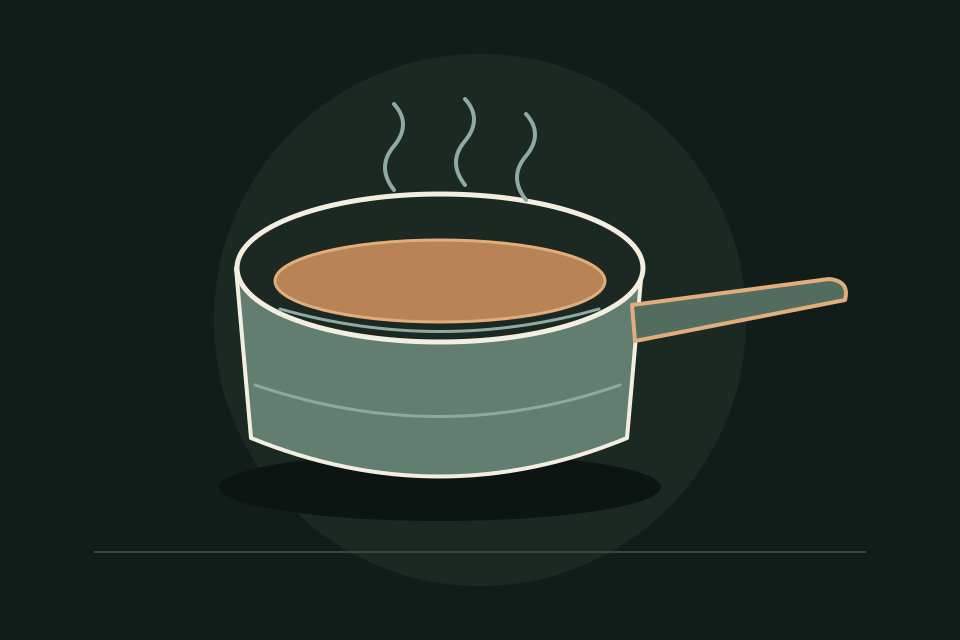
Do not leave a large saucepan of soup on the worktop all evening. Divide large quantities among several shallow containers to help them cool, without exceeding the two-hour limit before refrigeration. Label containers with their contents and preparation date. This guide gives no universal storage period: the product, actual conditions and applicable recommendations must be considered.
Sources for this page
- Ministère de l’Agriculture : Cuisine à domicile : hygiène , Accessed October 21, 2026
- Service Public : Information sur les allergènes , Accessed October 21, 2026
- Ministère de l’Agriculture : Refroidir les restes en petites quantités , Accessed October 24, 2026